Let’s talk about aggression and self-injurious behavior. This is not something that is often talked about within the Autism community. If it is, we definitely are not giving the REAL. Partly because people often dismiss it as simple “tantrums” or “bad parenting”. The other part is because it’s not always easy to talk about it because you do feel like a bad parent. Why can’t I control my kid? Why doesn’t he listen to me?
Have you ever been somewhere and witnessed a child crying for not getting their way? Perhaps they were on the ground screaming while the parent was desperately trying to talk to them? Perhaps they were trying to hit their parent? Was your first thought “Wow, that parent needs to do their job better and control their child!” Come on, admit it. Ok, I’ll go first. I did this probably every time before I had Z. And now I realize at least some of these families were simply struggling with a meltdown.
So what is the difference between a tantrum and a meltdown? It is a bit hard to explain and is easier to witness, but let me try. We all know tantrums. The kid wants something, parents say no, the kid cries and screams in hopes of getting their way. A meltdown, on the other hand, occurs when a child is overwhelmed by something. It could be too much sound, too many people, too much light, too hot, too cold, their shirt could be itchy, their pattern may have been thrown off. They can’t cope with something and just lose it. Some can’t communicate like Z and are frustrated because they can’t explain what they want or what is wrong. Some do not have the cognitive skills to understand why they can’t have something. There are lots of reasons and examples but bottom line is that there is a control factor in either scenario. A tantrum is attempting to control the parents to get an outcome. A meltdown, on the other hand, is attempting to control their environment or their feelings.
For those on the spectrum, it can be very frustrating. Imagine not being able to say what you want or need. Imagine being so sensitive to light that it hurts. Imagine sounds are magnified to the extreme which makes normal sounds painful. Imagine you just don’t fit into the mold everyone expects you to. For many, it is really hard to communicate. They get to the point where they just break down. Some get violent (and as they get bigger this becomes a huge problem). Some hurt themselves. Some run away (think Flight or Fight). Some just yell, scream and cry. Some all of the above.
What does this look like for Z? This has evolved just like everything else. When he was younger he would scream and yell and run away. I used to attend mommy support groups and other moms would be crying while they detailed the abuse they received from their kid. How they would hide in closets or lock their kid in a room for sheer safety. They would show bite marks and bruises. I regret to say that I would sit and listen with a sympathetic look but not pay attention. My Z wasn’t like this. Thank God he didn’t hit me or himself. He didn’t play with his poop to spite me or smash my TV. At least we don’t have to deal with that…
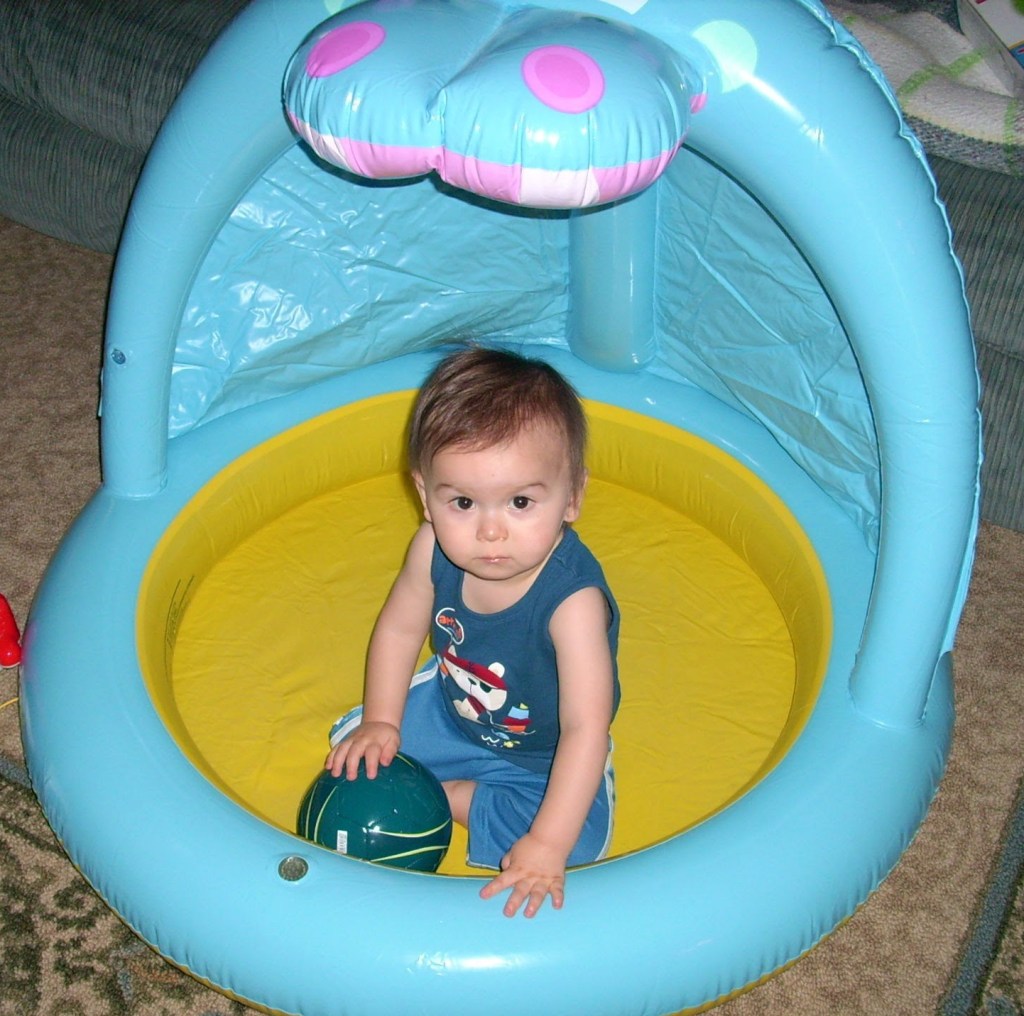
What is that saying about karma? Yep, you know the one… Flash forward to today and here we are. When Z was about 8, he started getting more aggressive. I don’t know if this was the start of puberty or if he learned things from other kids he was around (criminals are born in prison, right?). Around this time we were also welcoming a new baby into the family. I have such mom guilt about whether we would have ever seen this form of “Z” if we had not added to the family. But I will never know and according to my support groups and doctors, it would have come about regardless.
So what does it look like? I know the best way to explain would be to capture it on video and share it with you, but I will probably never do that. For one, I don’t think it is fair to Z for the world to see him at his most vulnerable. I also frankly do not want to EVER relive any of these moments. You may hear me say we had a bad day, but I rarely go into detail So instead I will do my best to explain.
Z has a variety of things he does during the meltdown depending on the severity of it and whether he is sensory seeking or sensory avoiding (he does both). We have done much analysis on this topic between our home, ABA, school and therapies. The school of thought is to figure out what triggers him and make sure that either doesn’t happen or he has a coping mechanism for it when it does. Easy, right? It’s not. No matter how much we can plan it never goes to plan.
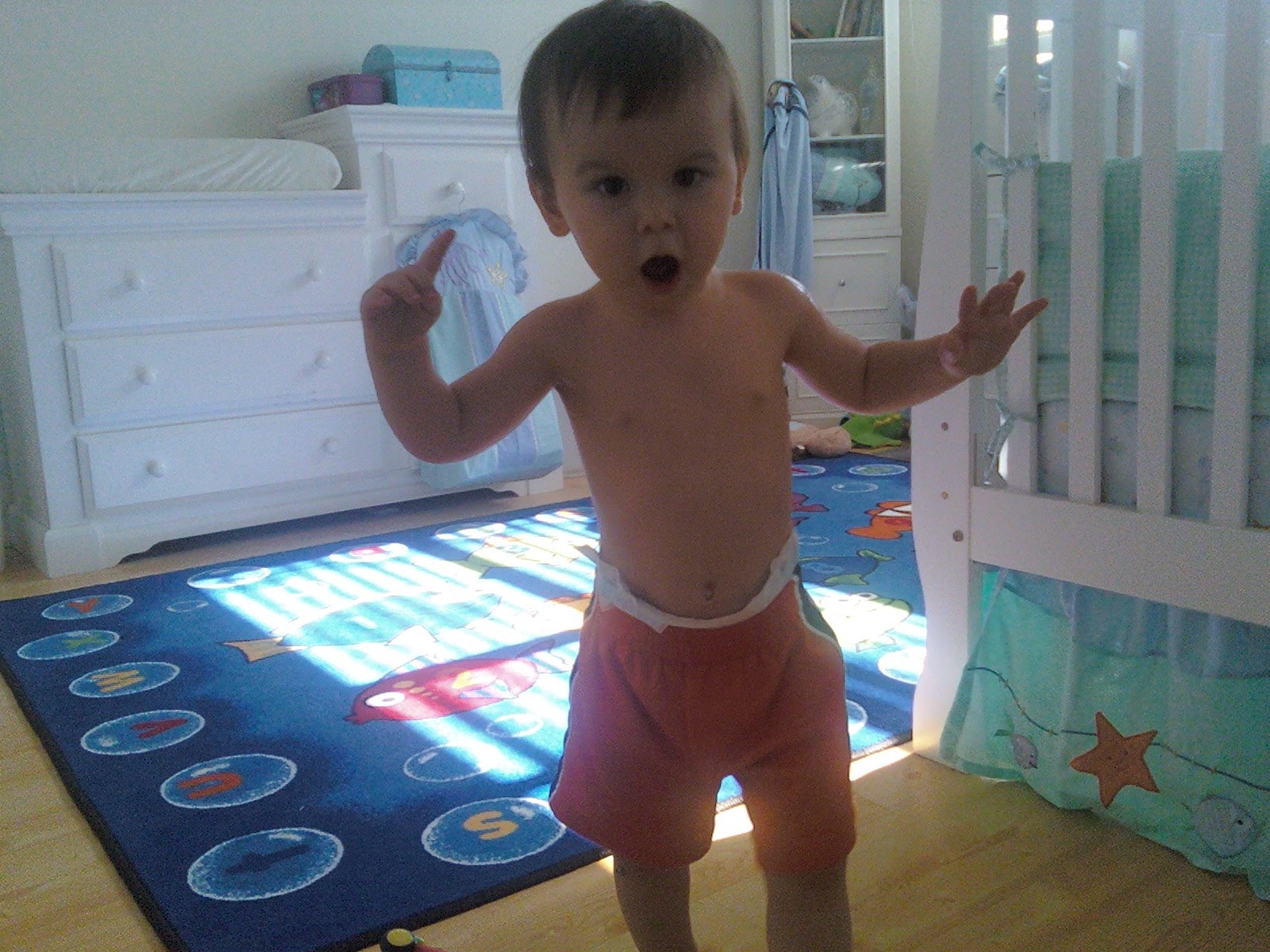
We usually see a build up. My husband and I have been known to say things like “Z is getting worked up”. Though we may try, we are not always successful in getting him out of it and sometimes it seems like the only solution is to let him violently get it out. So our “plan” is also a variety of things and most is trial and error and you start losing your mind if it carries on for longer than 30 minutes. Z’s go-to move is to punch his own chin. This can be a light punch that is more sensory seeking than anything else. Or it can be a heavyweight punch that you can hear from across the room. He will also slam his fists on the ground. Throw his body on our tile floor or the pavement. Objects will almost always be thrown across the room. At school, we call it “clearing the table” as everything gets one full sweep with his arm. I have been the target of many of these objects and trust me, this kid has good aim. One reusable water bottle almost gave me a concussion.
Self-injurious behavior is hard to watch as the parent because you never want to see your kid get hurt. You know that horrible gut wrenching feeling you have when your kid falls off their bike or skids their knee? That’s what it feels like almost daily with Z when he is doing these behaviors.
The more severe behaviors include hitting others. Most of the time he is not seeking you out. You just happen to get into his radius or you are trying to stop him from injuring himself so his anger gets transferred to you. I have been punched in the face, in the arms, in the legs. And these are not little kid punches anymore, he is almost the same size as me and probably a lot stronger. I have had to cover up bruises or wear clothing to cover them. He has taken me down more than once when I have tried to stop him from running. It is all about trying to protect yourself but also protect him.
When Z is in meltdown mode, he is gone. Now, stay with me folks because I may say some weird stuff here. I can look in his eyes during these meltdowns and he is NOT THERE. It is blank and frantic and lost. But it is not Z. I have held onto him in a bear hug from behind trying to stop him from hitting and there have been a couple times where I honestly felt him come back. Like, his body was empty and then all of a sudden my Z comes back. And he turns to look at me like “what’s going on here?” Like it never happened. And he will bound off to his room happy and go-lucky.
Now, my friends, can you imagine how crazy-making that is? The switch in moods during these meltdowns is way beyond my speed. I usually end up sitting there like a goof just trying to process how my son just punched me in the face one second and then laughed and hugged me the next. We as humans are wired to be vengeful and will hold onto things for a loong time. Autism meltdowns force you to bypass all of these feelings and just simply move along the rest of your day like it didn’t happen. Like it wasn’t personal. This is why I say that my son’s Autism has taught me patience beyond this world. It has taught me to remain calm in high-stress situations and not to let what happens during the meltdown affect the rest of my day.

So hopefully I have helped paint a picture of the difference between a meltdown and a tantrum. Between good and bad parenting. I hope you can take this into your daily life and if you come across a situation that looks like a meltdown, that you offer assistance or at least a supportive smile. That parent is going through more than you can imagine at that moment and it probably isn’t their first time working through it.
The hardest part for me is that society does not understand the cause of these meltdowns. They do not see the effects this has on the family. You hear all the time about those on the spectrum being harmfully restrained, being hospitalized, being committed to mental asylums, being arrested. When they are kids, it is easier to deal with it but when they are adults there is just not enough understanding or support. Society needs to educate themselves on less intrusive ways of handling this. I would guess 99% of those with autism have meltdowns. If there is 1 in 59 with autism, that is going to be a lot of adults to deal with in the future. Let’s figure this out…
Copyright 2019. All Rights Reserved.
 Tilted Axis