How many of you have heard that those with Autism are “anti-social” or that they lack empathy? Isn’t that what we have heard on the news? Well, this is actually far from the truth. Those with Autism are often seen as anti-social due to the fact that they have a very hard time reading social cues. They do not follow societal “norms” and appear to be “just a little off”.
Let’s be clear, this is not about being introverted or extroverted. I am an introvert but I can still manage myself in a social situation (although I may be exhausted after it). Those with Autism either would rather play by themselves or have a hard time fitting in (even when they try their hardest). Social situations may be too loud or chaotic to them. It could actually be painful.
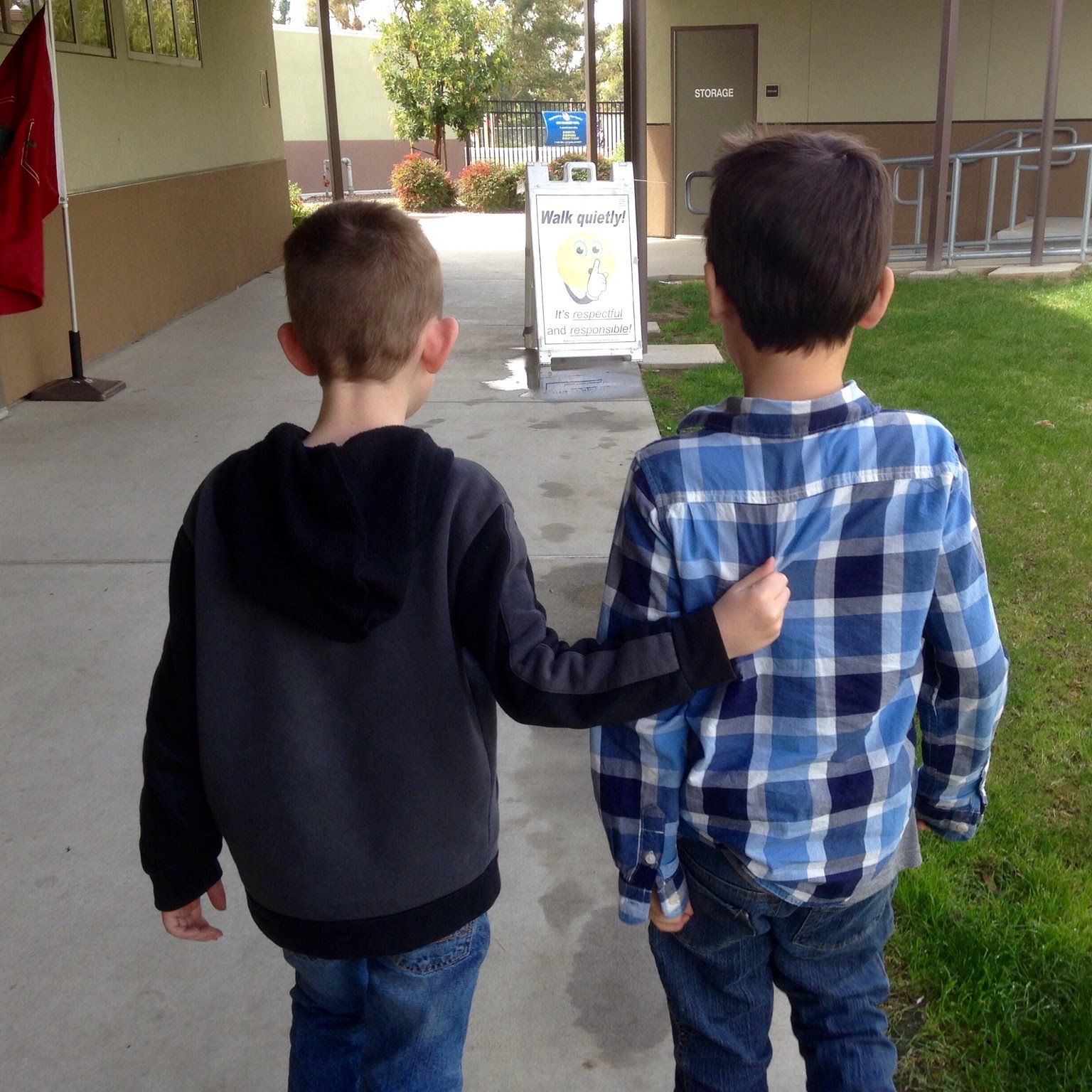
Z has always had issues with social skills. He still mostly parallel plays (this means he is ok with you playing next to him, but he’s doing his own thing). If you come over to our house, he will probably go to a different room than you. He has very minimal interaction with others. If you try to play with him, he will typically turn his back on you. If you take his toy he will usually get upset until you give it back. His eye contact and willingness to be part of the group has greatly increased over the years but I doubt he will ever be the social butterfly of the group.
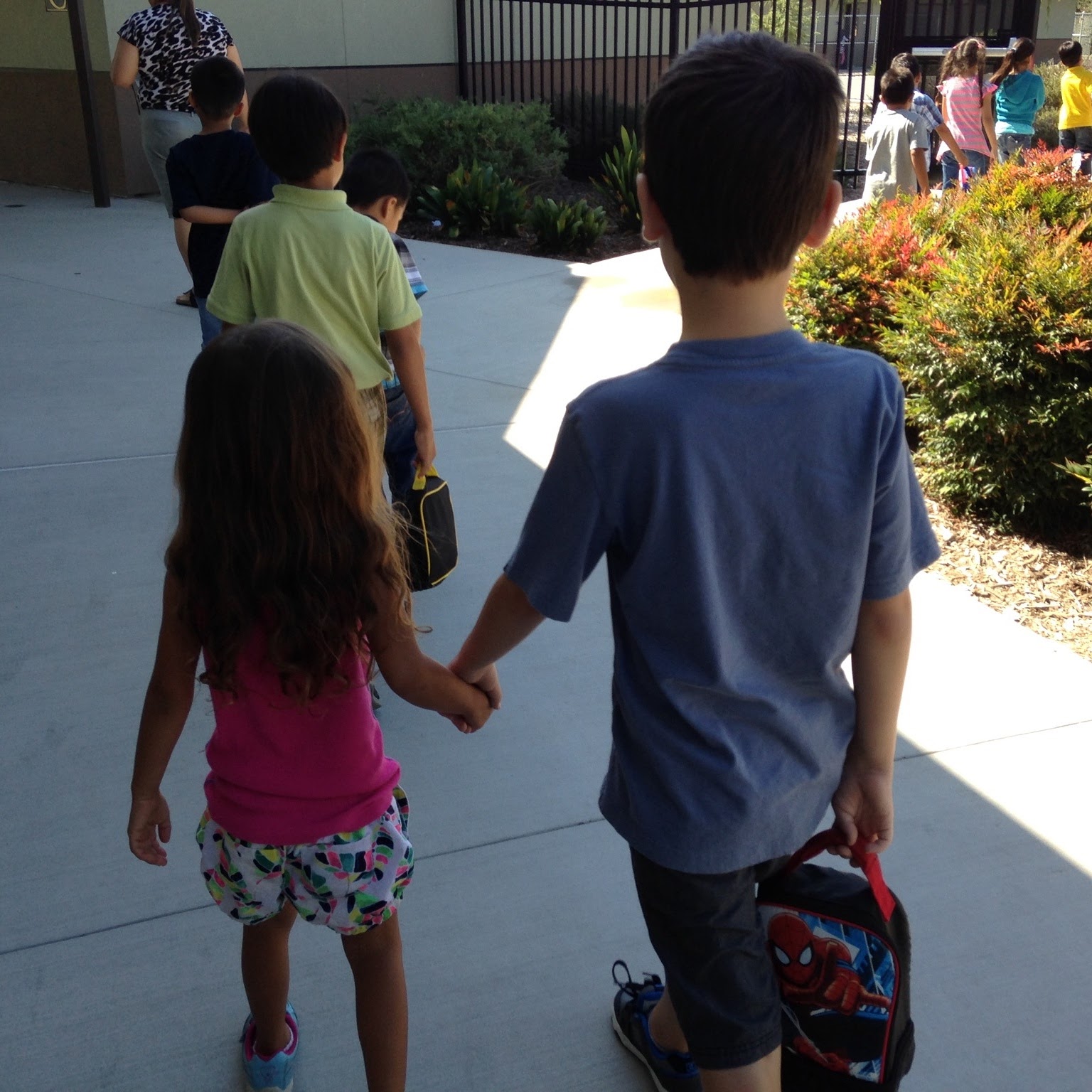
I’ve been hearing about this delay since the beginning. Doctors are quick to point this out as far as development goes. Z does not follow any play schemes. Cars don’t go to the car wash, don’t get gas, don’t get in accidents, stuffed toys don’t comb their hair or get dressed, he has never pretended to talk on a phone… Before the diagnosis, I can remember talking to people and trying to explain his style of play. I used words like “he doesn’t have to follow society norms”, “we are embracing his individuality”, “he has his own way of doing things”, or even “i know, such a weird kid”. Well, as we were given the diagnosis and did our research, it was obvious this should have been a red flag.
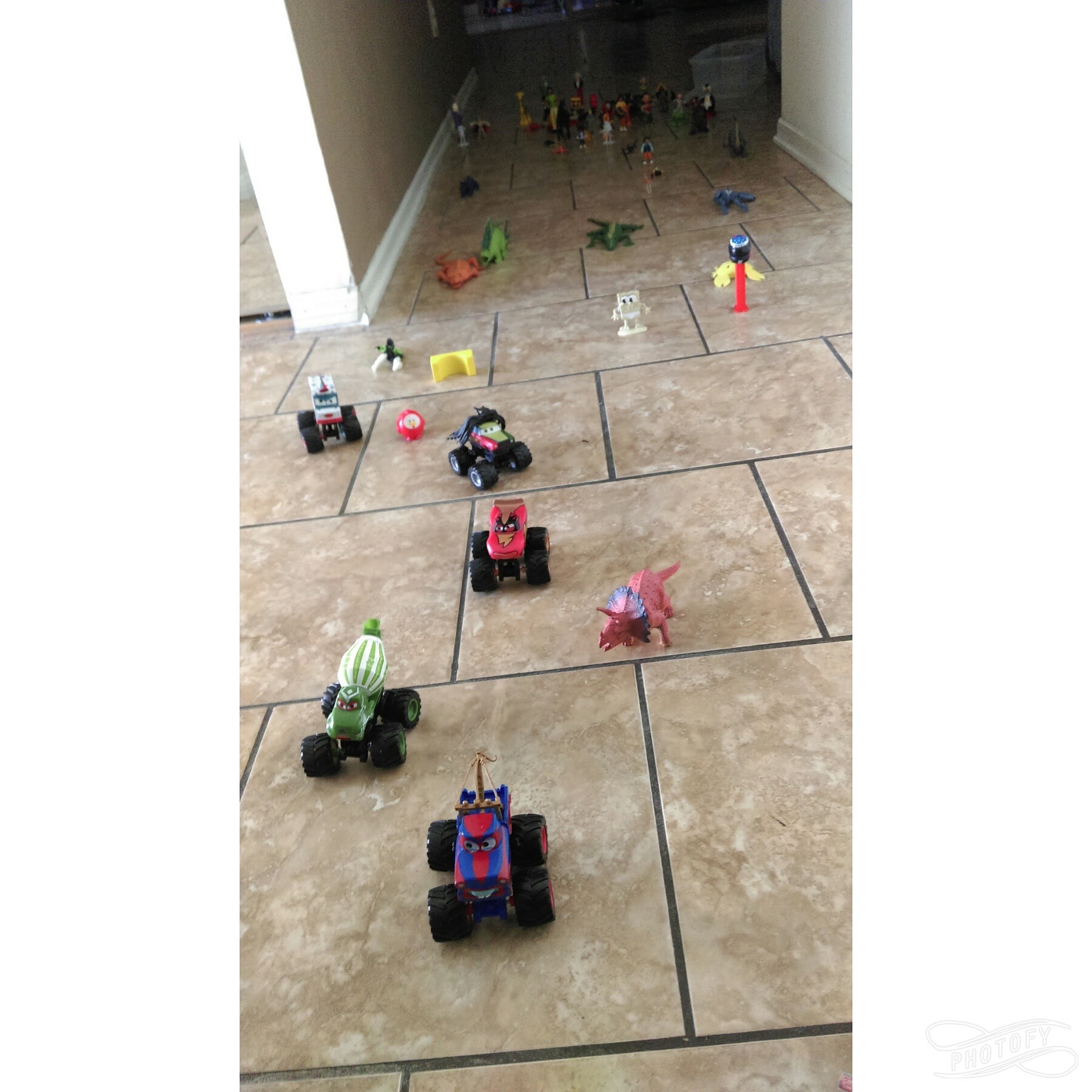
Z literally sees the world differently. A toy car zooming by might offer him a way to see the mechanics of the wheel. Or he may simply be thinking “i know this is not a real car, why would i pretend it is?”. Their minds are quite literal sometimes. I remember doing some evaluation testing with a Psychiatrist and they were showing flash cards with cartoon animals on them asking for him to “choose the horse”. I remember explaining at the time that he does better with real life pictures and not cartoons. The psychiatrist gave me a knowing glance and I got so angry that Z was being judged in a scenario that did not work for him. Why couldn’t the flash cards be pictures of REAL animals? But that’s a whole other blog about the standardized testing so I digress..
I know social interaction can be very painful for those on the spectrum. Actually looking in someone’s eyes brings on a huge amount of anxiety. Sitting next to someone might be all he can stand. Being in the same room with others, although doing his own thing, is a huge step for him.
He is AWARE of those around him. Sometimes the hubby will get down and make his dinosaurs bite his stuffed bear. You can see Z look out of the corner of his eye at what he is doing. Then when the hubby walks away, Z does the same action. He sees everything, hears everything, but it doesn’t look like it.
This is a hard thing for people to cope with. Most people require some sort of feedback from another person. They cannot be content with just sitting next to someone. It would be boring. So not a lot of people try to play with Z. If they do, they often give up quickly. We have a hard time finding respite workers or babysitters because it is hard work. Imagine being ignored for 3-4 hours? Imagine going to dinner with someone and they didn’t say one single word to you, didn’t even look at you?
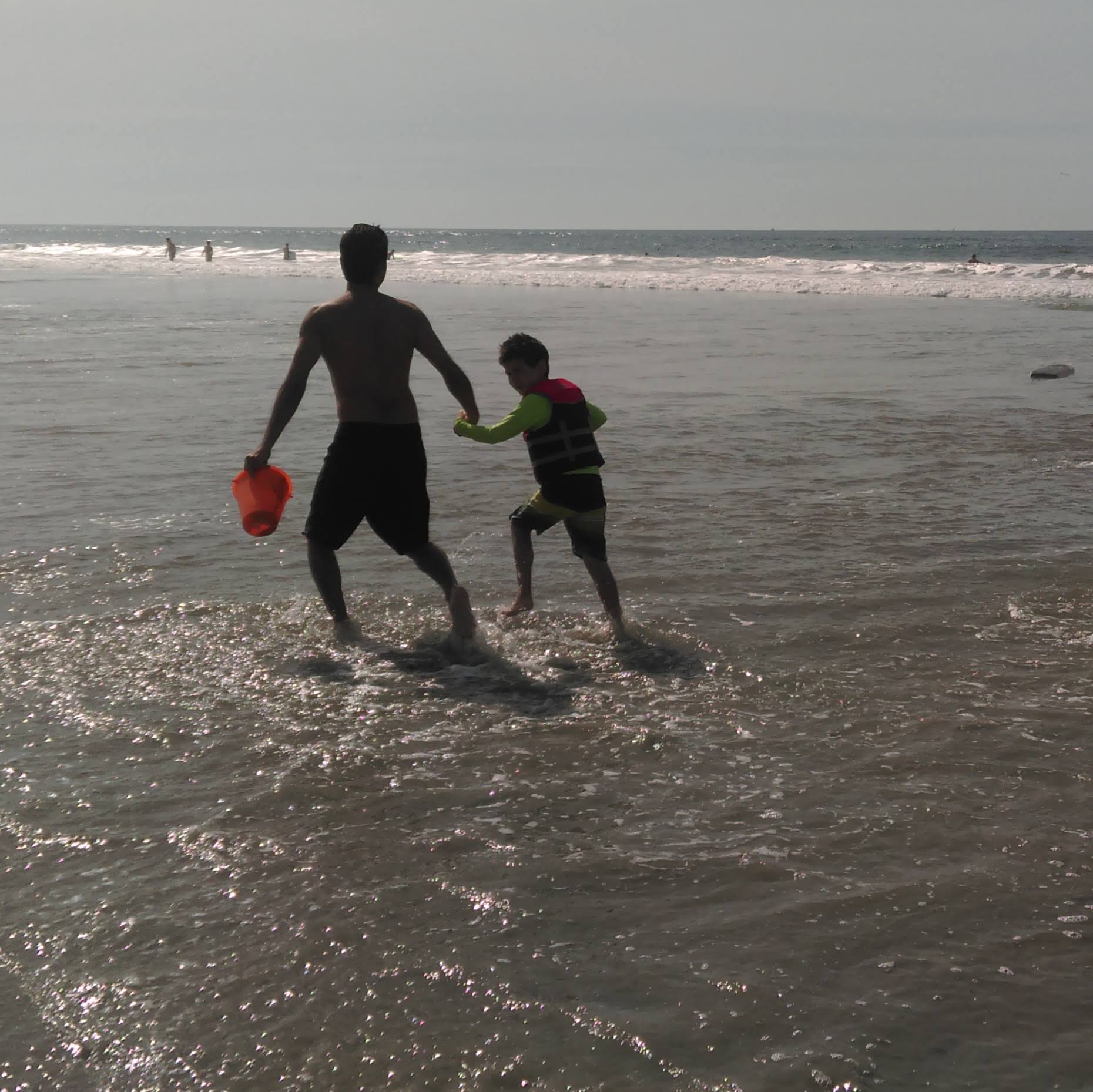
The problem is that we need to TEACH him to play, to be social. This has actually been a goal in his IEP at school (playing with others). Otherwise he will continue to spiral away into his world. Older kids on the spectrum will go to “social workshops” where they are expected to interact and are taught the right way to “hang out”.
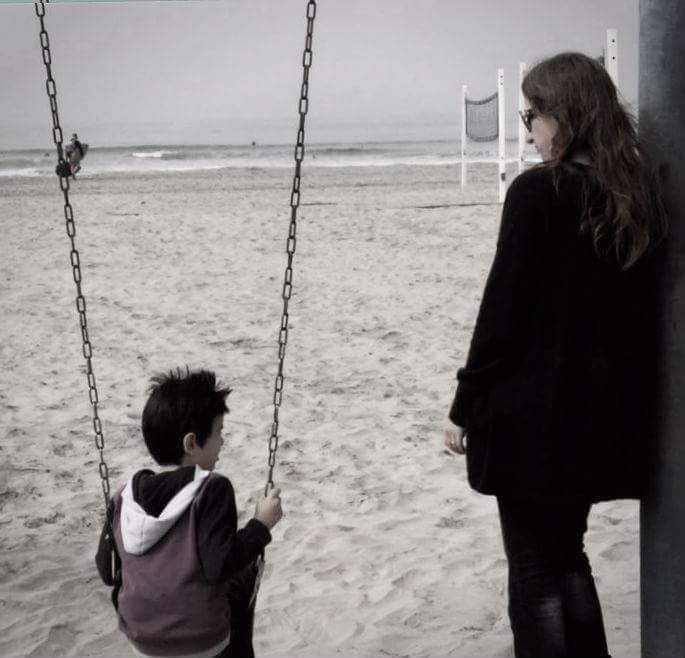
So please be patient with him. Ask me how you might get his attention or be content to just play next to him. Or watch how I get him to interact and follow suit. If you have kids, explain to them that he is not ignoring them and that they should try and play with him. He really does appreciate it and is probably learning from what they are doing, even if they are not aware of it.
Copyright 2019. All Rights Reserved.
 Tilted Axis